Exercise 5.1 – The difference between us
Brief – Use your camera as a measuring device. Find a subject that you have an empathy with and take a sequence of shots to ‘explore the difference between you’. Indicating which is your ‘select’ – best shot. Look critically at the work you did including what you didn’t mean to do.
Initial Thoughts
When I first read the brief I had a few different ideas, I felt you could interpret this brief in so many ways and was unsure which route to take with this exercise. Due to the current lockdown situation, a few of my initial ideas weren’t possible anymore, so I proceeded to think about what I could do with this exercise even with the current situation. It actually opened up a lot of opportunities for this task so I began with making a mind map of all my ideas just to see them more clearly and take it from there.
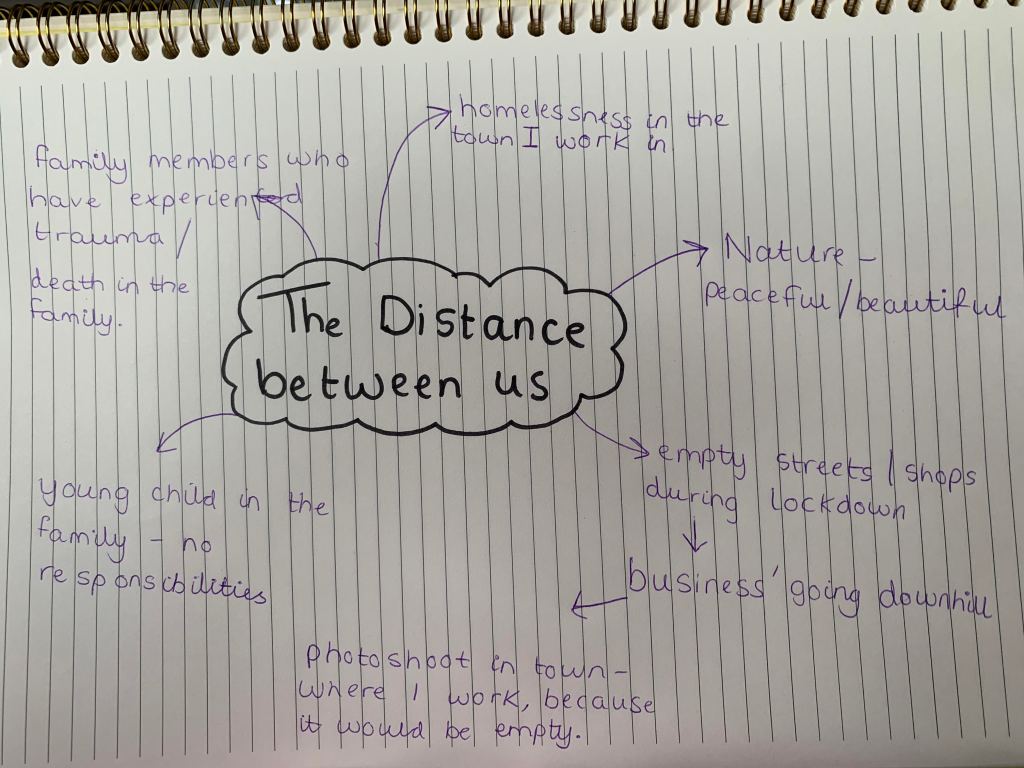
After narrowing my ideas down with the mind map I decided to use our current situation to my advantage and looking into smaller business that may be really struggling with not currently receiving an income. We have a lot of small and family business’ near us that have been closed for some time now and it’s worrying to think some of them may not even be able to reopen. This is the subject I feel empathy for.
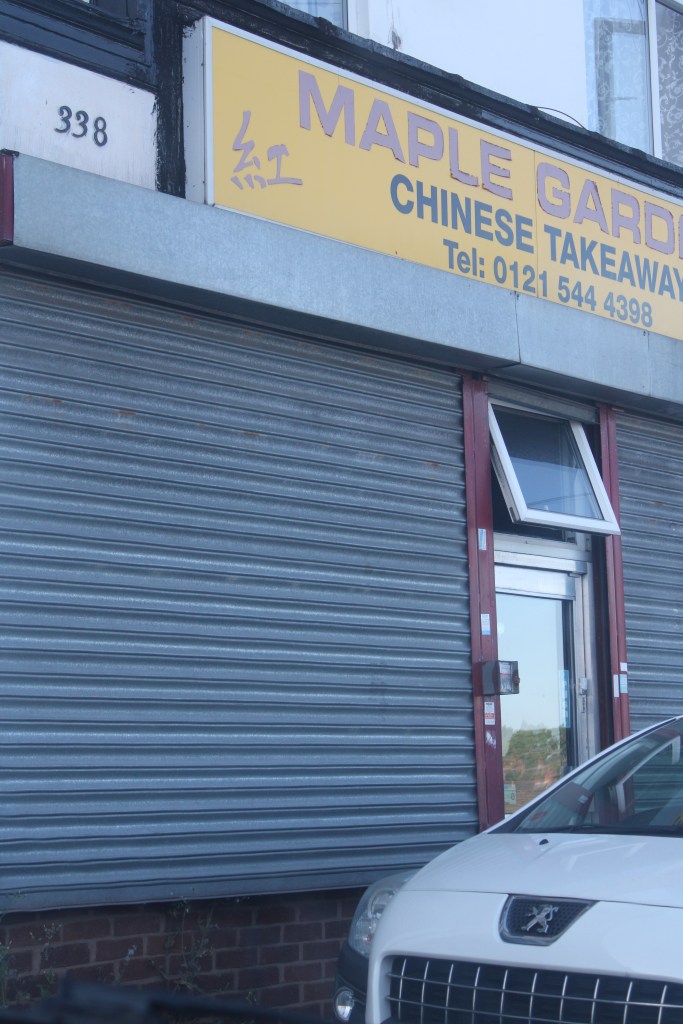
A lot of business’ are currently looking run down and it’s easy to question whether they can actually manage to reopen in time, after being closed for so long.
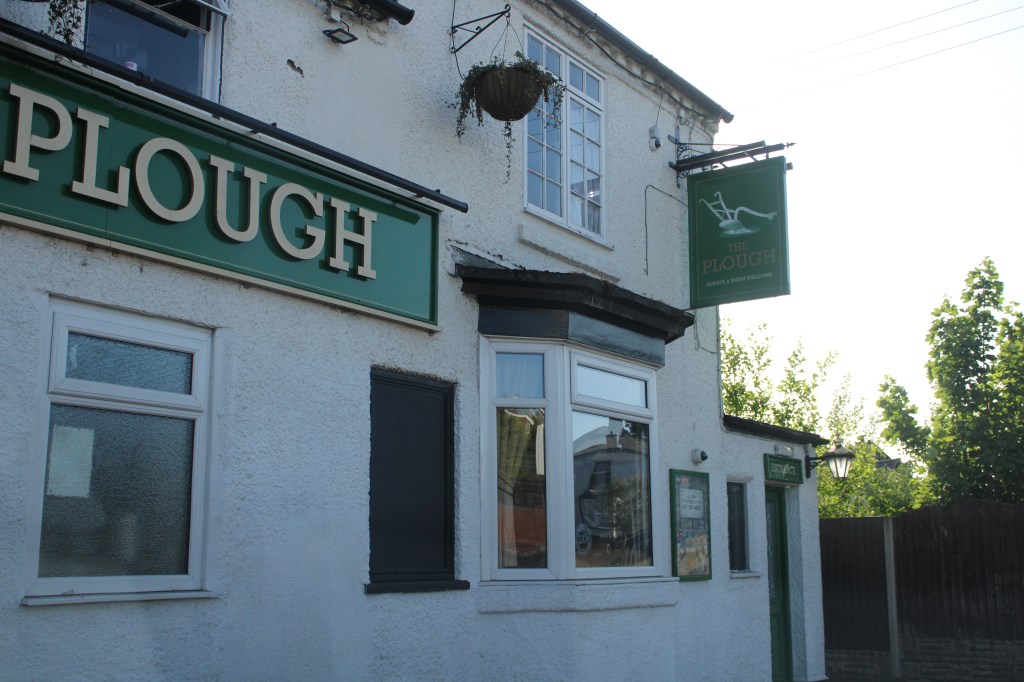
This was my parents favourite pub, one they’re definitely missing. It’s been closed for a few months now and we’re definitely unsure on whether they’ll be able to reopen after managing for so many months without an income.
People have spent their time and money on building themselves a business and to think all of that could be wasted is definitely something I emphasize with.
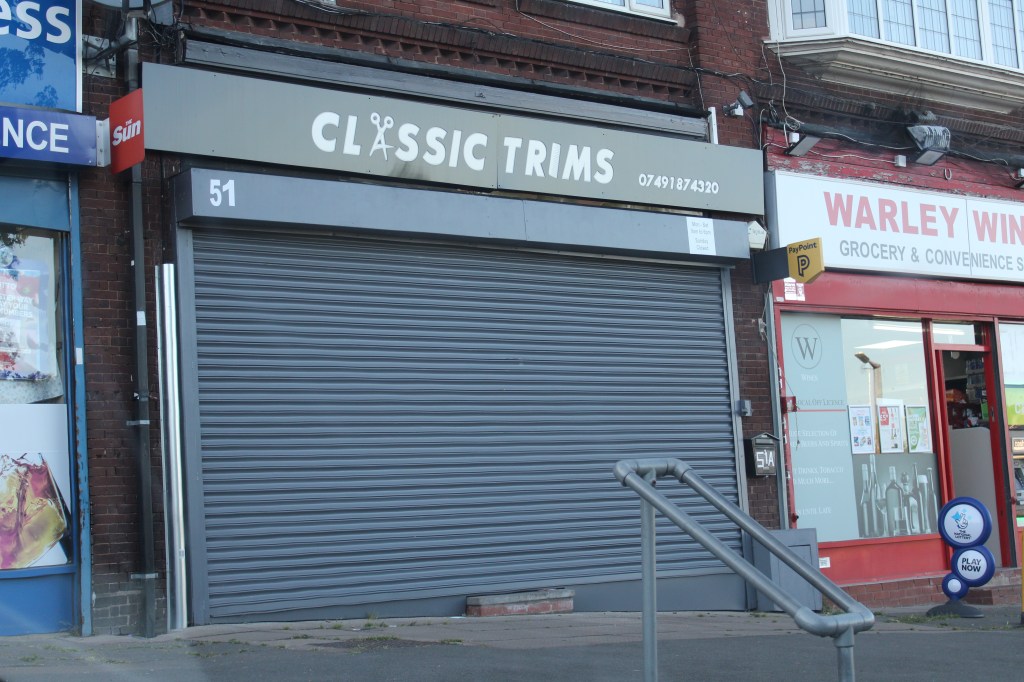
The streets are quieter and people are home on their sofas instead of running the business’ they love.
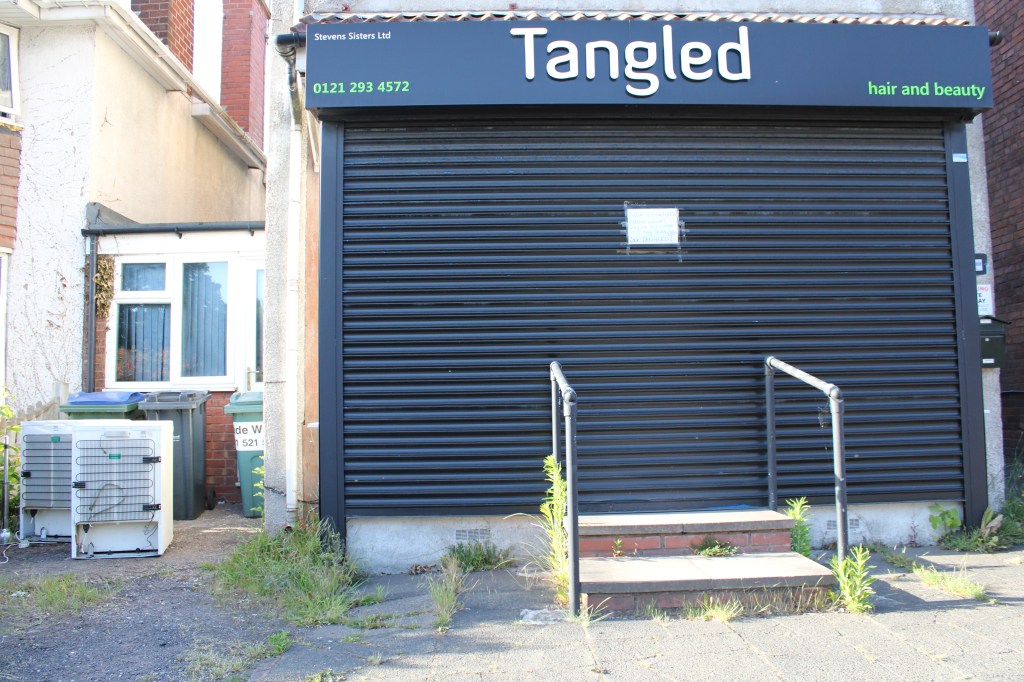
I decided to use all my examples locally, as well as including places I am used to visiting, like my hairdressers. When you grow to know and love the people running the business it’s more difficult to accept the fact they may not be opening for a while, or ever again.
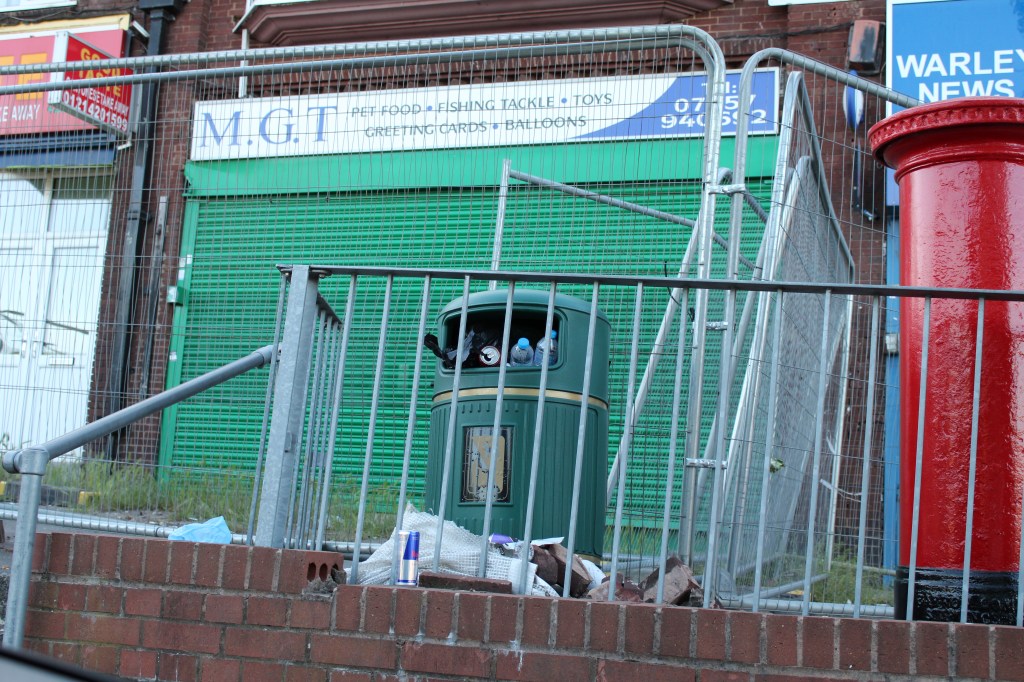
My Select Shot
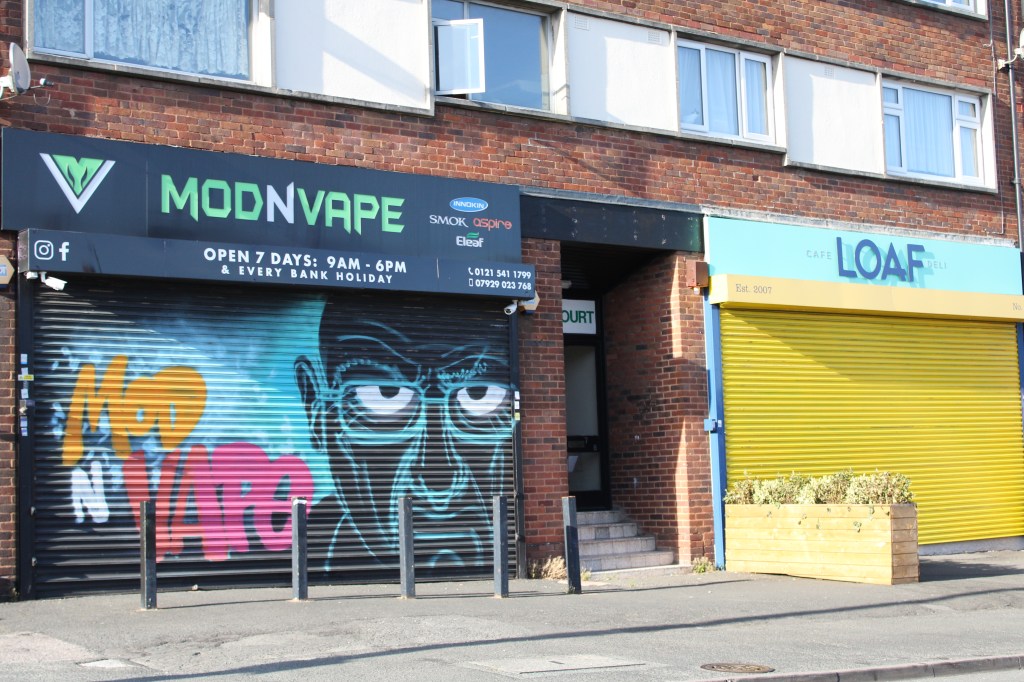
I chose this as my select shot because whilst they’re business’ I’m not familiar with, they are very local and I managed to capture two side by side to emphasize my concept even more. I particularly liked the touch of the spray paint on the shutters, it was something unintentional that I didn’t pay attention to at first. But after looking through my shots I thought it added a lot and brings the life back to the picture, which contrasts from the lack of life from the business’ being shut. Small business’ are all definitely struggling in this time and it’s something I really wanted to look into for this task, taking advantage of our current situation.
Looking critically at my work I don’t like how similar each shot is, I would’ve liked each shot to contain new information and maybe portray something different, but I do think I stuck to the brief well and conveyed my idea.
Exercise 5.2 – Homage
Brief – Select an image by a photographer of your choice and take a photograph in response to it. Add the original image together with the response.
Research
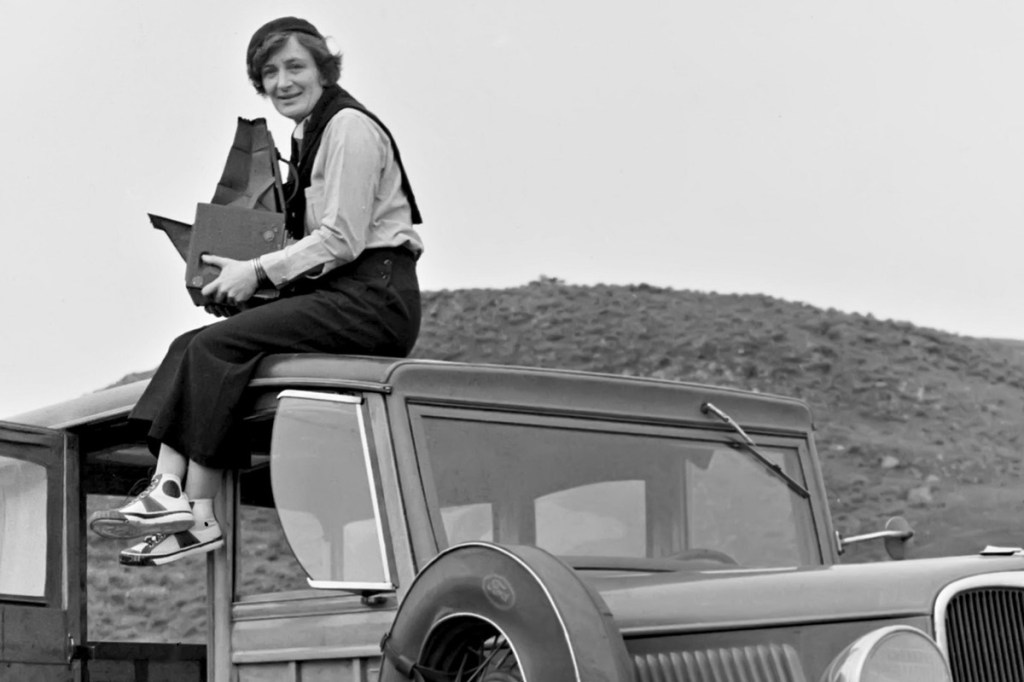
I had a few photographers in mind for this task but I decided not to chose someone I had previously looked at in another exercise. After a lot of research into different photographers and their signature styles I came across Dorothea Lange. She was an American documentary photographer and photojournalist, best known for her Depression-era work for the Farm Security Administration. Her portraits of displaced farmers during the great Depression greatly influenced later documentary and journalistic photography. When researching further into her work and the meaning behind it I found it quite inspirational and meaningful which is why I am using her as my chosen photographer. Lange began to photograph the unemployed men who wandered the streets of San Francisco. Pictures such as White Angel Breadline (1932), showing the desperate condition of these men, were publicly exhibited and received immediate recognition both from the public and from other photographers.
My chosen photograph
My Response
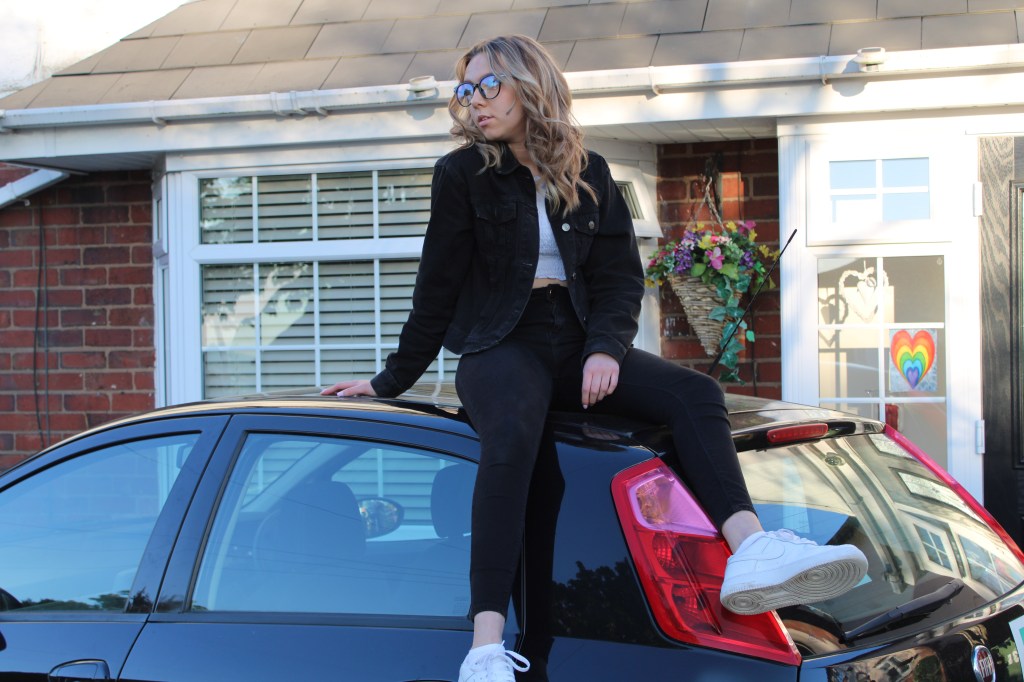
I took a very modern take on this image, creating more of an aesthetically pleasing shot as apposed to the black and white old fashioned shot. The element of the image that I re-created was just the type of image it was – a portrait. I used my own composition rather than trying to respond to the composition used in the chosen image (as shown above). I did take a large number of shots trying to make it look right, lowering the ISO as initially my images were coming out quite white, I also did use the Automatic White Balance.
As a portrait photographer by trade, Lange knew pictures of individuals would have far more of an emotional impact than those showing eroded land or the dust storm. This is a concept I really wanted to take on. A portrait can tell so much more of a story, one of the reasons I love taking portraits so much over regular landscape shots. I believe I captured this concept well when comparing it to the brief, and responding to a single element of the photograph.
Exercise 5.3 – Looking at photography
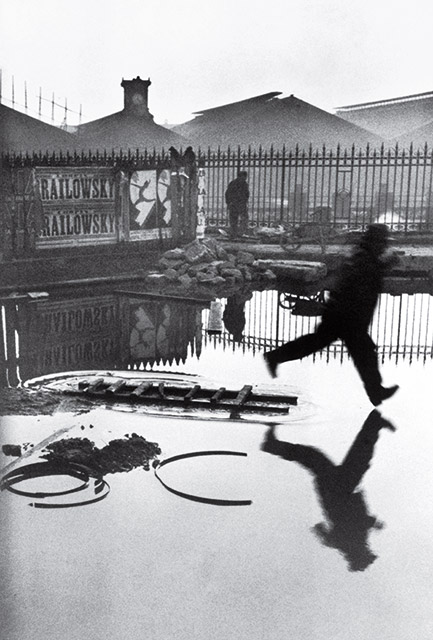
Brief – Look again at Henri Cartier-Bresson’s photograph Behind the Gare Saint-Lazare in Part three, include a response. Is there a single element in the image that you could say is the pivotal point to which the eye returns again and again?
The Photograph
My Response
This is one of Bresson’s most successful images, he manages to capture a man happily jumping over a flooded area in Paris, just before his foot hits the water. This does bring a sense of anticipation as the shot shows him still in the air, and makes the scene more dynamic. There is also a contrast between the hazy buildings in the background and the crisp objects in the foreground. The spiked fence creates a sense of depth and separates the scene, there is is a clear separation between the large puddle that the man is leaping over and the buildings in the background. The grain of the buildings behind the fence and the silhouette of the other man creates an urban background for the shot. Bresson’s timing is something I found very impactful, as we already know, he focuses strongly on composition and focus so this definitely reflects his signature style of photography. If he had snapped his shot a fraction of a second later he would have missed the man jumping across the water, but he managed to capture the exact moment that he was in the air, just before his heel hits the water. As well as this I find the use of negative space is really impactful; the way that the scene is reflected into the water, from the fence to the ‘Railowsky’ sign and the man’s silhouette jumping over the water creates the effect that all the space in the shot is filled but when you look closely it’s just the reflections. This is why this is my pivotal point that I seem to keep being drawn to, as we were told in the brief, the point doesn’t have to be a shape, it may be a place or a discontinuity – a gap.
I then had a look at the ‘Theaters’ series by Hiroshi Sugimoto.
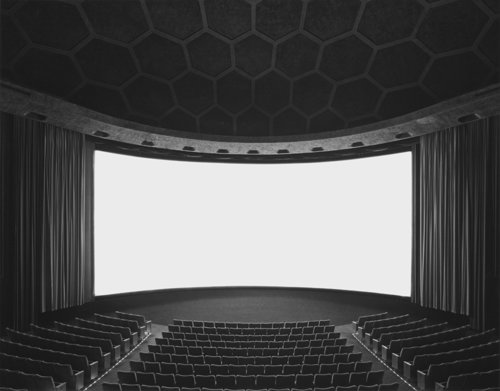
I found a similar use of negative space in this series which again I was drawn too and would say was my pivotal point. A white screen illuminates dark and empty theaters, or as Sugimoto phrases it, “the excess of light illuminating the darkness of ignorance”. There is definitely a lack of life and action in this picture which contrasts to Bresson’s shot, however the light of the cinema screen brings the sense of life to the shot.
References
The Art Story – https://www.theartstory.org/artist/cartier-bresson-henri/artworks/
Hiroshi Sugimoto Theaters – https://www.sugimotohiroshi.com/new-page-7
 OCA Photography Expressing your Vision